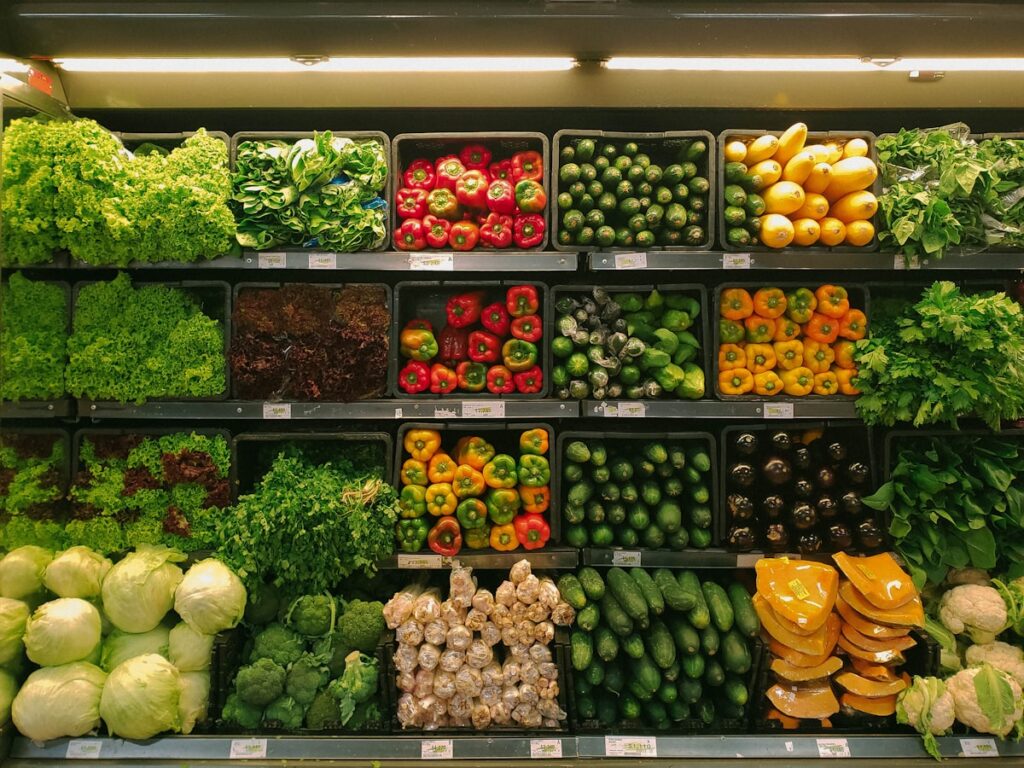

Food is one of the largest household expenses — and one of the most controllable. The average American family spends $400-$800 per month on groceries. With the right strategies, many families can cut that number by 30-50% without sacrificing nutrition or enjoyment.
1. Meal Plan Every Week
Planning your meals before you shop is the single most effective way to reduce food costs. Decide what you’ll eat for the week, make a specific list, and stick to it. This eliminates impulse purchases and ensures you only buy what you’ll actually use.
2. Shop With a List and Never While Hungry
Shopping without a list leads to impulse purchases averaging 20-30% more than planned. Shopping while hungry is even worse — studies show hungry shoppers buy significantly more high-calorie, high-cost foods.
3. Buy Store Brands
Generic or store-brand products are typically 20-30% cheaper than name brands and are often made by the same manufacturers. For staples like flour, canned goods, pasta, and cleaning products, store brands are indistinguishable from name brands.
4. Use Cashback Apps
Apps like Ibotta, Fetch Rewards, and Rakuten offer rebates on grocery purchases. It takes 5 minutes to set up and can save $20-$50/month on purchases you’re already making.
5. Buy in Bulk (Selectively)
Warehouse clubs like Costco and Sam’s Club offer significant per-unit savings on non-perishables, cleaning supplies, and items with long shelf lives. Only buy in bulk what you’ll actually use before it expires.
6. Reduce Meat Consumption
Meat is the most expensive item in most grocery carts. Adding 2-3 meatless meals per week using beans, lentils, eggs, or tofu can save $50-$100/month with no sacrifice in nutrition.
7. Shop Seasonally
Produce in season is significantly cheaper (and fresher) than out-of-season produce that’s been shipped long distances. Learn what’s in season in your region and build meals around those ingredients.
8. Freeze Everything
Bread going stale? Freeze it. Meat on sale? Freeze it. Bananas getting overripe? Freeze them for smoothies. A full freezer is a money-saving machine that prevents food waste and lets you stock up when prices are low.
9. Compare Price Per Unit
The bigger package isn’t always cheaper per unit. Check the price per ounce or per unit (usually listed on the shelf tag) to find the true best value.
10. Shop Discount Grocers
Stores like Aldi, Lidl, and WinCo consistently beat traditional supermarkets on price by 20-40%. Many shoppers do their primary shopping at discount grocers and only visit traditional stores for specific items.
11. Reduce Food Waste
The average American family throws away $1,500 worth of food per year. Use the “first in, first out” rule in your fridge, plan meals around what needs to be used up, and learn to love leftovers.
12. Use a Rewards Credit Card for Groceries
If you pay off your balance each month, a rewards credit card earning 3-6% cashback on groceries effectively gives you a 3-6% discount on every purchase. Cards like the Blue Cash Preferred from Amex offer 6% back at US supermarkets.
Final Thoughts
You don’t need to coupon obsessively or eat rice and beans every night to save money on food. Implementing just 4-5 of these strategies consistently can cut your grocery bill by $100-$200/month — that’s $1,200-$2,400 per year that can go toward your financial goals instead.